Vintage Tea Sets vs. Modern Dinnerware: What Collectors Should Know Before Buying
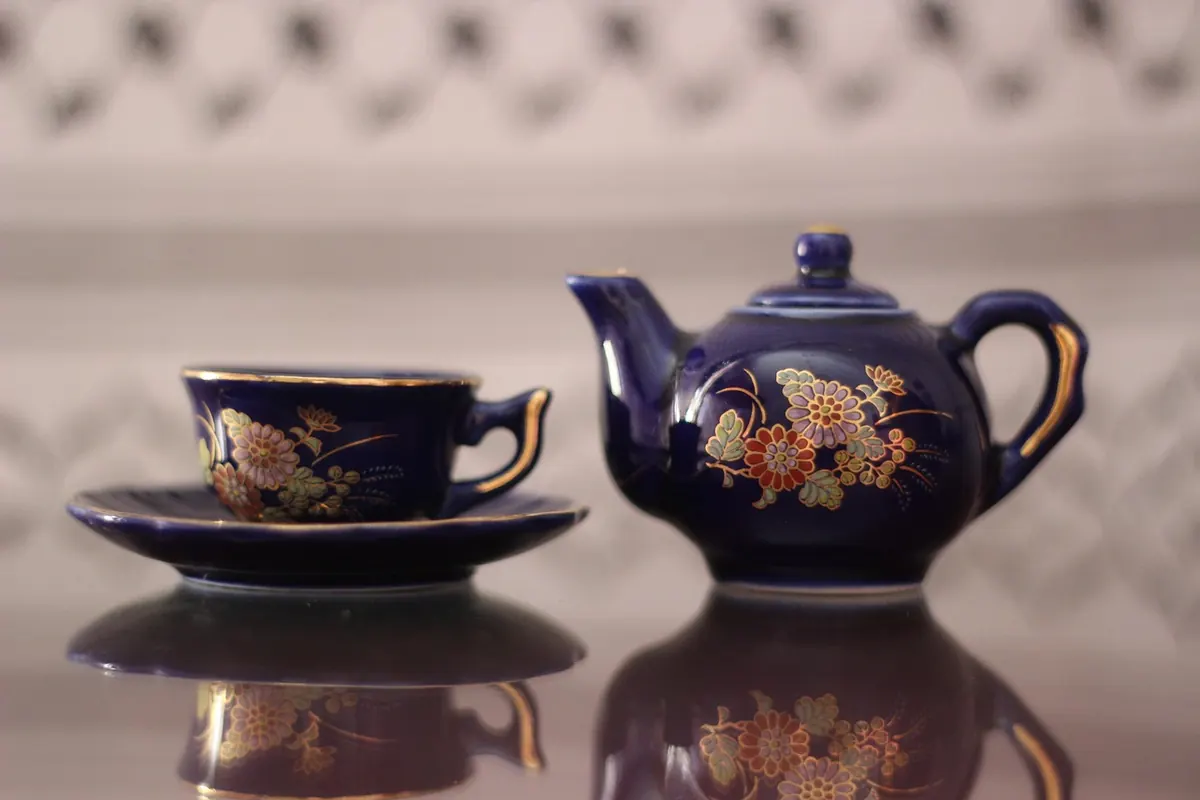
Two teacups sit on the same shelf: a modern stoneware mug that shrugs off the dishwasher, and a wafer-thin cup painted with violets, its rim finished in worn gold. Both hold tea. Only one of them makes you think about how you wash it. That gap — material, fragility, care, and the quiet pleasure of using something made long before you were born — is the whole question when you are deciding whether to collect vintage china or simply buy a new dinner service.
Neither choice is wrong. Collectors who end up happy are simply the ones who know what they are buying before they hand over the money.
What Vintage China Is Actually Made Of
Material decides nearly everything else: weight, ring, resilience, how it ages and how it should be treated.
- Bone china. Contains bone ash, which gives it that warm translucency and the clear ring when you tap the rim. Strong for its thinness, but the rims chip easily. Much classic British tea ware falls here.
- Porcelain. Fired at high temperature until it vitrifies. Usually whiter and cooler in tone than bone china, hard-wearing, though still prone to chipping at the edges.
- Earthenware. Fired lower, so the body stays slightly porous beneath the glaze. Creamware and most transfer-printed wares belong here. Chips and crazing are common; treat it gently.
- Stoneware. Dense, opaque and pleasingly heavy — the sort of thing mid-century potteries produced in quantity. Very robust, though it can still chip.
- Ironstone. A Victorian answer to expensive porcelain: thick, opaque, tough, and often surprisingly good value today.
Turn a plate over. The backstamp names the maker, often the pattern, and sometimes gives a rough idea of date. It also hints at whether a piece was made for export or the home market. Photograph the marks of anything you are considering; they are the easiest detail to check later.
Durability: Thinner Doesn't Mean Fragile
A paper-thin bone china cup can outlast a chunky mug, provided nobody knocks it against a tap. The weakness in almost every vintage service is the same: rims, handles and spouts. Those are the places to inspect hardest, and the places where a piece will fail first in daily use.
Two faults matter more than any others. The first is crazing — the fine web of cracks in the glaze, common on older earthenware. It is not automatically a dealbreaker for display, but on a piece you intend to eat from it traps stains and is difficult to keep truly clean. The second is a hairline crack in the body itself, which means a teapot or jug is no longer watertight no matter how good it looks from arm's length.
Thermal shock does a lot of quiet damage. Pouring boiling water into a cold pot, or moving china from a cold larder to a hot oven, can crack a piece that has survived a century. Warm things gradually and let them cool gradually too.
Care, Washing and the Dishwasher Question
The honest answer is that dishwashers and vintage china are poor companions. Modern detergents are alkaline and mildly abrasive; over repeated cycles they dull glaze, blur hand-painted decoration and strip gold gilding from rims and handles. A cup that has lost its gilding cannot have it restored convincingly.
Hand washing is not a hardship. Warm water, a mild washing-up liquid, a soft sponge, then dry promptly with a cloth rather than leaving pieces to drain. Skip lemon-based cleaners, cream abrasives and long bleach soaks, all of which attack glaze and decoration.
One health note worth taking seriously: some older decorated wares used glazes and over-glaze enamels containing lead. Keep chipped, crazed or heavily gilded pieces for display or occasional use rather than daily eating and drinking, and never store food in them. If you are concerned about a specific piece, a ceramics conservator can advise.
Resale Appeal: What Buyers Actually Look For
Condition comes first, and it outweighs rarity almost every time. Buyers forgive a common pattern in excellent order far more readily than a scarce one with a chip on the teapot spout. Look for worn gilding on handles, knife marks on plates, staining inside teapots, and colour that has faded unevenly. Restoration lowers value even when it is done well, so ask directly whether a piece has been repaired.
Completeness matters, but not in the way newcomers expect. A full tea service with teapot, sugar bowl, cream jug, cups and saucers will always attract more interest than scattered oddments — but single cups and saucers still sell, just more slowly, because plenty of buyers want one lovely cup rather than twelve.
When you research value, look at prices items actually sold for rather than the hopeful figures people are asking. The difference between the two is often considerable, and it will keep you from overpaying.
A Buying Checklist for Fairs, Charity Shops and Online
- Run a fingertip slowly around every rim. Chips feel obvious; photographs hide them.
- Hold plates and cups up to a window or lamp. Hairlines show as thin dark lines against the light.
- Tap the rim gently with a fingernail. A clear ring is good; a dull thud suggests a hidden crack.
- Check that teapot and sugar-bowl lids sit properly. Replacement lids are common and rarely match exactly.
- Look for paint or glue residue along joins, and for a patch of glaze that looks flatter than its surroundings.
- Note the pattern name from the backstamp. It makes adding pieces later far easier.
- Weigh up the whole set honestly: four cups and no saucers is a project, not a bargain.
- Decide before you go what you will actually use, and stick to it. Stallholders are persuasive.
Living With It: Practical Rules That Keep China in Use
The happiest collectors keep two tiers. There is the everyday service — sturdy stoneware or plain porcelain, undecorated, dishwasher-tolerant if you must — and there is the good china, brought out for Sunday tea, birthdays and Christmas. That way nothing precious is lost to a rushed weekday morning, and nothing lovely sits in a cupboard permanently unloved.
Store cups upright rather than hanging them on hooks, which stresses handles. Stack plates no more than a few high, with a napkin or felt pad between each. Avoid newspaper for wrapping, as the ink transfers to glaze; acid-free tissue or clean cotton is better. Skip damp lofts and hot airing cupboards, and bring pieces out occasionally rather than leaving them stacked for years.
Buy the pattern you genuinely like, in the best condition you can afford, and use it. A chip is not a tragedy — that cup can become the one that holds pencils, or the one you take into the garden. The point of a vintage tea set is the tea.
Photo: ahgomaaz / Pixabay